What Illinois Homeowners Should Know About Ending Cook County’s Property Tax Sales
Property taxes are one of the biggest ongoing expenses for homeowners in Illinois, especially in Cook County, where tax bills are high compared with other parts of the country. Now, a key change is being discussed in Springfield that could reshape how unpaid property taxes are handled in the coming years.
Understanding this potential reform is important for homeowners, seniors, and families planning their financial future.
What Are Property Tax Sales and Why Do They Matter?
Under current Illinois law, when a homeowner does not pay their property taxes, the county has the authority to sell the tax debt to investors in what is known as a tax sale.
Here’s how it works in Cook County:
-
Unpaid property taxes are sold as tax certificates to investors at an annual auction.
-
Investors pay the unpaid amount and then have the right to collect the balance, plus interest and fees from the property owner during a redemption period.
-
If the homeowner does not pay within the prescribed period, the investor may pursue a tax deed and potentially obtain ownership of the property.
These tax sales are intended to ensure local governments receive money owed for services such as schools, police, fire protection, and infrastructure. However, homeowners who fall behind may face steep interest rates, added costs, and the risk of losing their homes entirely.
Proposed Changes in Illinois
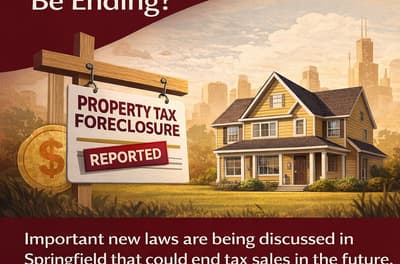
Recently, state legislation has been filed that would effectively end Cook County’s traditional tax sales. The bill sponsored by state lawmakers aims to bring Illinois into compliance with a 2023 U.S. Supreme Court decision that held it is unconstitutional to deny homeowners the surplus equity they are entitled to when their property is foreclosed because of unpaid taxes.
Under the current system, if an investor forecloses and obtains the property, any surplus value above the unpaid tax amount can end up going to that investor. The proposed legislation seeks to protect homeowners’ equity rights and prevent that outcome, addressing concerns raised by the decision.
While legislation moves through committees and onto the legislative calendar, Cook County is still expected to hold its 2026 tax sale as scheduled.
What This Means for Homeowners
If this reform becomes law, it could lead to major changes in how delinquent property taxes are handled:
1. Homeowners Might Have More Protection
Ending tax sales could allow for alternative systems that give homeowners more time to pay and better terms for repayment without the added pressure of high investor interest.
2. Equity Would Be Preserved
One of the key drivers of this change is the idea that homeowners should be protected from losing equity in their homes even if they fall behind temporarily on taxes.
3. There May Be New Payment Options
Task forces studying property tax reform in Illinois have recommended systems that could include longer repayment plans and lower interest costs rather than immediate tax sales.
4. Property Foreclosure May Still Occur
While the system may change, homeowners who fall far behind on taxes could still face the risk of foreclosure. Any reform will likely hinge on alternatives that balance homeowner protection with local government revenue needs.
What Homeowners Should Do Now
While this legislation is under consideration, here’s what Illinois property owners — especially in Cook County — should keep in mind:
✔ Pay Your Property Taxes on Time
Taking advantage of payment options and exemptions can help avoid costly delinquency.
✔ Understand Your Redemption Rights
If you miss a tax payment, you typically have an opportunity to redeem your property by paying all past due taxes plus interest before a tax sale becomes final.
✔ Explore Exemptions and Credits
Illinois offers homestead exemptions and other tax credits that can help lower your property tax burden.
✔ Consult a Qualified Attorney
Property tax law is complicated. An attorney can help explain your rights and options — especially if you are facing delinquency, potential foreclosure, or uncertainty about a tax sale.
Why This Matters for Families
For many Illinois families, especially seniors on fixed incomes, property taxes are not just a financial burden; they can threaten the stability of generational homes and family wealth. Staying informed about changes to tax sale laws and protection options can help homeowners make better decisions and avoid potentially devastating losses.
If you’d like help understanding what these proposed changes could mean for your property or estate plan, or if you’re dealing with a tax delinquency or possible sale, speaking with an attorney early can make all the difference.
📞 (708) 529-7794 | Law Office of Jonathan W. Cole P.C. — “Your Neighborhood Law Firm.”